


Sultan Haitham Approves Industrial Clusters for Pharma and Medical Devices to Boost Welfare

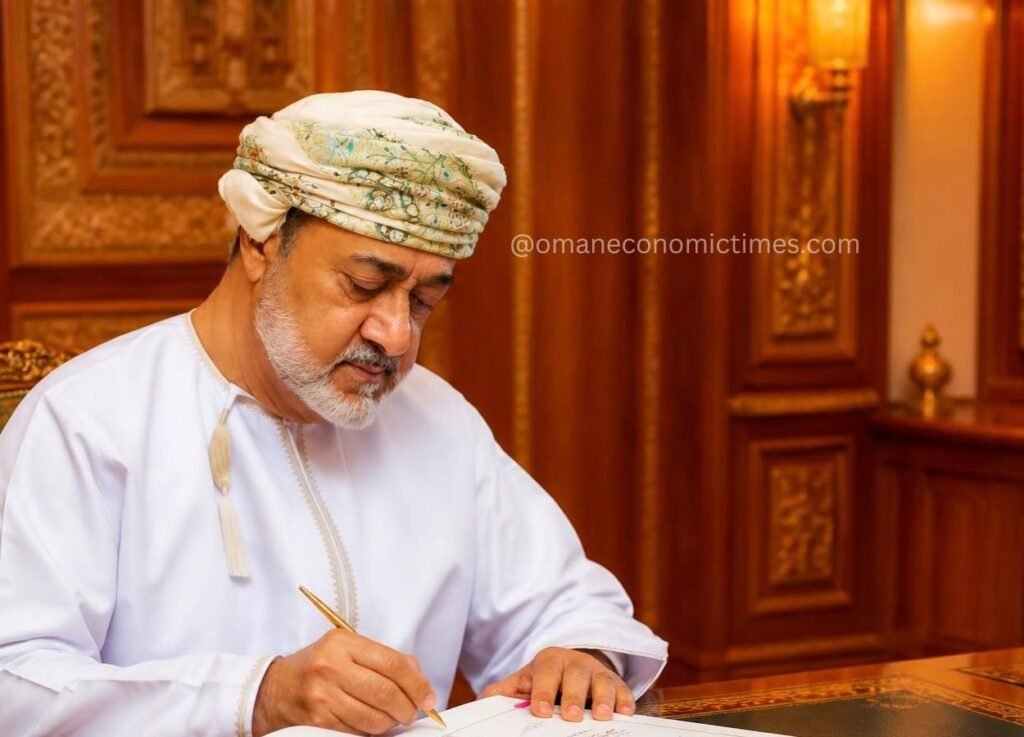
In an official decree, His Majesty Sultan Haitham bin Tarik has sanctioned the implementation of a strategic plan to set up industrial clusters that will be specifically designed to manufacture pharmaceuticals and medical devices in the economic and free zones of Oman.
This royal instruction is in line with the goals of Oman Vision 2040 and aims to achieve enhanced drug security, localization of biomedical manufacturing industries, and quality healthcare for all citizens and residents of the country.
I believe this strategy will help diversify the economy and this strategy will help the country become self-reliant in pharmaceuticals and medical devices. This strategy will do so through quality investments made by domestic private organizations in the healthcare industry of the Sultanate.
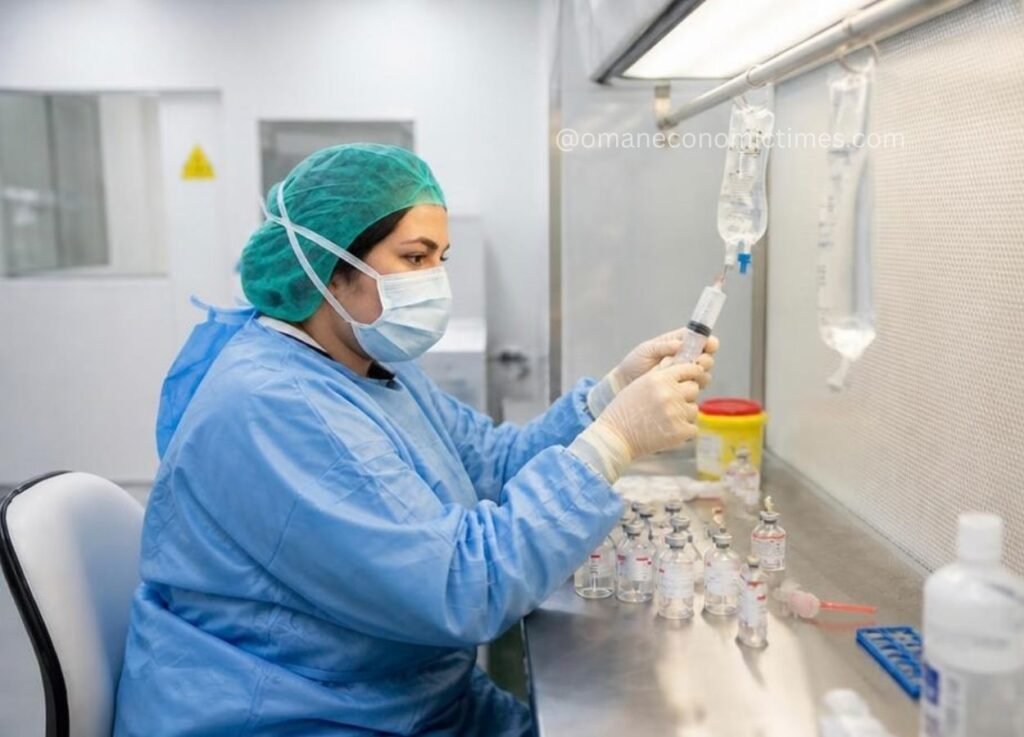
Qais bin Mohammed Al Yousef, Chairman of the Public Authority for Special Economic Zones and Free Zones (OPAZ), stated that the proposal was developed through close inter-agency collaboration with the Ministry of Health. He emphasized that these specialized clusters will leverage Oman’s advanced logistics infrastructure, strategic geographic positioning, and competitive business environment to establish a regional manufacturing hub for advanced medical equipment, biopharmaceuticals, and active pharmaceutical ingredients.
The initial rollout of the project will focus on key economic nodes. The first phase includes launching Salalah City for Pharmaceutical and Medical Industries, spanning an area exceeding one million square meters divided equally between Salalah Free Zone and Raysut Industrial City.
Simultaneously, an additional specialized zone covering over 500,000 square meters will be developed in Khazaen Economic City, selected for its direct proximity to major population centers and integrated transport corridors.
To drive private sector participation, OPAZ is offering a comprehensive suite of competitive investment incentives. These include long-term tax exemptions lasting up to 30 years, customs relief on essential raw materials and machinery, 100 percent foreign ownership, and streamlined 24-hour licensing procedures through one-stop-shop digital platforms. Additionally, the Ministry of Health will provide price preferences of up to 30 percent for locally manufactured pharmaceuticals alongside advance purchase agreements, guaranteeing consistent institutional demand for domestic producers.