
Record Visitor Influx Highlights Dhofar’s Growing Appeal as Regional Tourism Hub
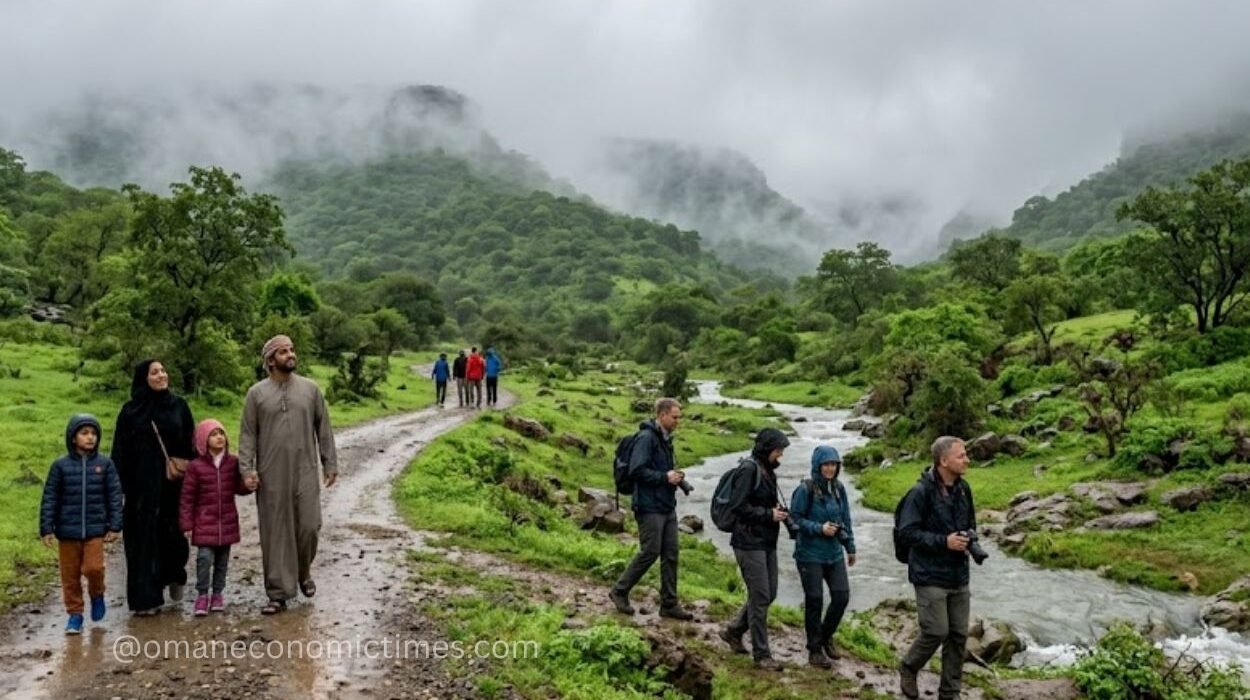
Dhofar, the governorate of Oman, saw a big rise in seasonal tourism, drawing more than 1.1 million visitors during the recent Khareef season. According to figures from the National Centre for Statistics and Information (NCSI), the monsoon season that starts in late June and ends in September attracted 1,123,000 domestic, regional, and international tourists to the coastal area.
This continued growth shows that Dhofar is playing a larger part in the Sultanate’s long‑term plan for economic diversification under Oman Vision 2040, a plan that focuses on growth outside oil, building infrastructure, and boosting hospitality.
Citizens from Oman and neighboring Gulf Cooperation Council (GCC) member states constituted the overwhelming majority of total arrivals, seeking relief from summer heat in the governorate’s unique mist-covered mountains, flowing wadis, and cooler microclimate. Omani nationals accounted for more than 70 percent of all arrivals, while regional GCC travelers represented approximately 18 percent. International tourists from non-Gulf nations made up the remaining share, signaling broader international market penetration.
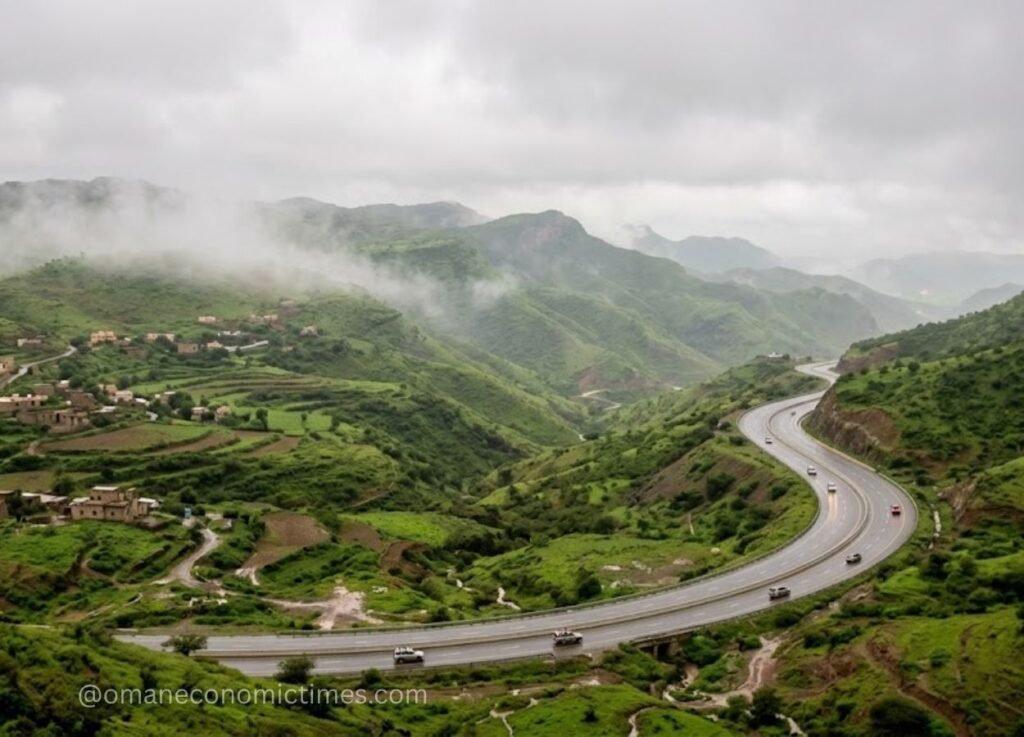
A substantial portion of tourists opted for overland travel via updated highway networks connecting Dhofar with northern Oman and neighboring Gulf states, while Salalah Airport experienced a parallel rise in passenger traffic. Airline operators, including national carrier Oman Air and budget airline SalamAir, expanded seasonal seat capacities to accommodate heightened demand across regional routes.
Municipal authorities and the Ministry of Heritage and Tourism attributed the record visitor turnout to expanded entertainment programming, including over 125 cultural, artistic, and sporting events held across Salalah and surrounding wilayats such as Taqah and Mirbat. Decentralizing activities beyond central urban hubs helped alleviate pressure on traditional tourist hotspots while channeling economic benefits directly to local small and medium enterprises, accommodation providers, and service sectors.
The sharp rise in seasonal visitors translates into crucial non-oil revenue, with tourist spending boosting hospitality, retail, food services, and transport sectors across southern Oman. As local authorities evaluate the season’s performance, investments in hospitality infrastructure, road safety, and eco-tourism preservation remain central to ensuring Dhofar maintains its trajectory as the Arabian Peninsula’s premier summer resort destination.